
Why Helmets Are Non-Negotiable for Kids
******Please note that some images included may be confronting or distressing for some viewers.

A Real-Life Head Injury Story (and What Every Parent Needs to Know). If your child rides a bike, scooter, balance bike or skateboard — this is for you.
If your child rides a bike, scooter, balance bike or skateboard — this is for you.
Helmets aren’t optional. They’re non-negotiable.
And a recent incident with my own 5-year-old daughter was a powerful reminder of exactly why.
A Real-Life Head Injury: What Happened
We were at our local pump track. My daughter was on her balance bike — helmet on (always) — riding on the inside of the track, keeping left like we’ve practiced.
Coming through a blind section, another older child approached from the outside.
No one was at fault. Just one of those moments you can’t predict.
They collided.
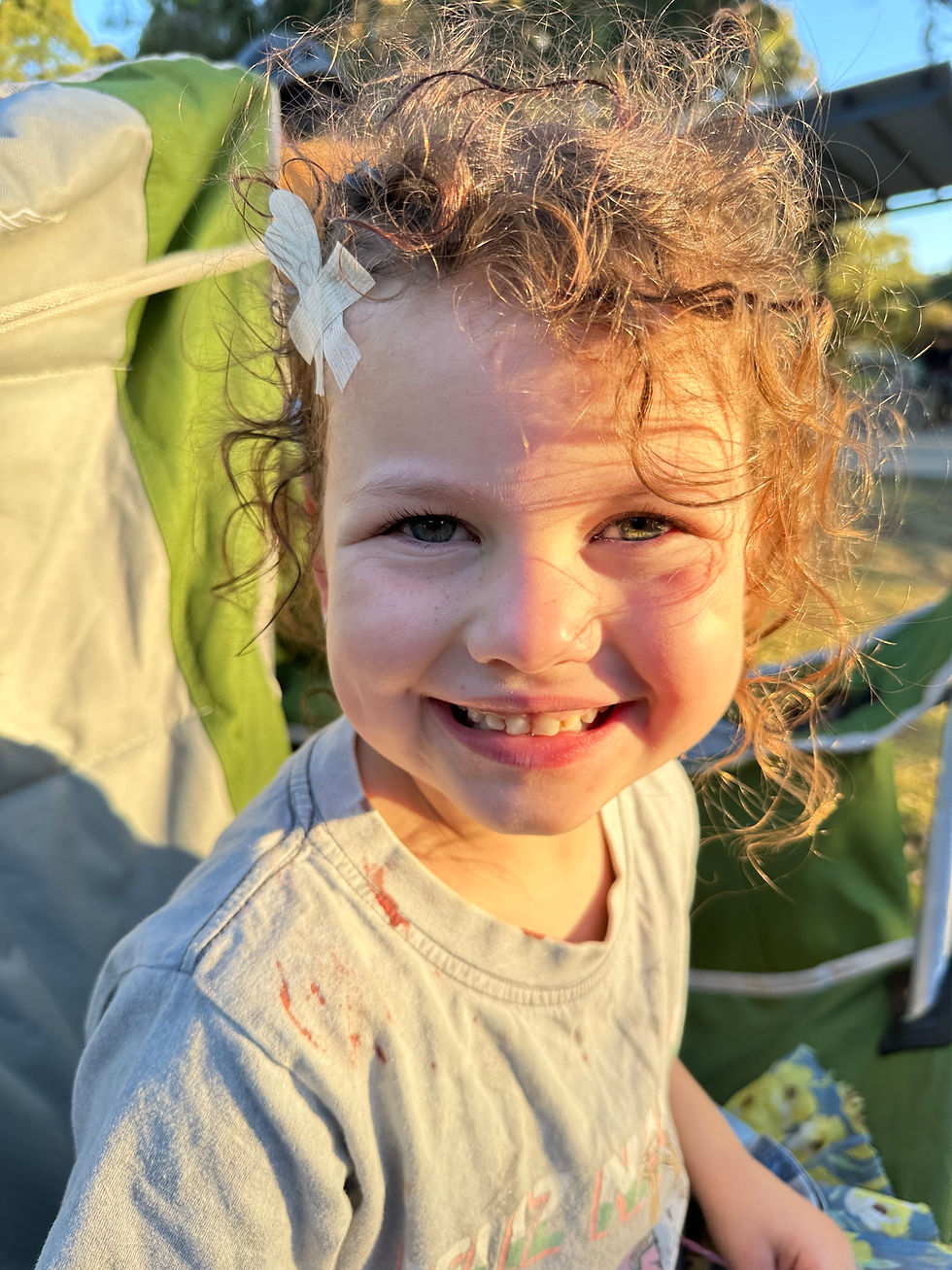
It was a significant impact — and my daughter sustained a head laceration.
In that moment, as a paediatric nurse and a mum, one thought stood out:
Thank goodness she was wearing her helmet.
Because while we can’t prevent every accident, we can reduce how serious they are.
Why Helmets Matter (More Than You Think)
Head injuries are one of the most common injuries in children during wheeled play.
According to Australian child safety guidance:
Helmets significantly reduce the risk of serious head and brain injury
Even low-speed falls can result in significant trauma without protection
Helmets should be worn for bikes, scooters, skateboards, and balance bikes — every single time
This isn’t about fear. It’s about prevention and protection.
What I Did: Real-Life First Aid for a Head Injury
Here’s exactly how I managed the situation in real time — using my “Sick Sense” approach:
1. Made the area safe
I immediately ensured there was no ongoing danger and stopped other riders to prevent further injury.
2. Comfort came first
My daughter was distressed, so I picked her up straight away and gave her a cuddle. Emotional regulation matters — for both the child and the parent.
I also reassured the other child involved, who was understandably upset. Accidents happen — and this is important for kids to learn too.
3. Kept the helmet on initially
This is something many parents don’t expect.
I kept her helmet on briefly because:
It helped contain the bleeding
It reduced distress (less visual exposure to blood)
Once she was calmer, I explained exactly what I was going to do before removing it.
4. Explained every step
Before removing the helmet, I told her:
What I was going to do
That it might feel cold or sting
Why I needed to look at her head
This builds trust and reduces fear.
5. Cleaned and managed the wound
Cleaned the area
Applied steri-strips to the laceration
Used distraction (an iPad and colouring — very effective in the moment)
6. Sought medical care
We then attended urgent care where her wound was properly assessed and glued.

What I Was Watching For (Head Injury Red Flags)
After any head injury in a child, there are key things I always assess:
Reassuring signs:
Cried immediately after the fall
No loss of consciousness
Able to recall the event
No vomiting
Red flags to watch for:
Loss of consciousness (even briefly)
Repeated vomiting
Confusion or memory loss
Drowsiness or difficulty waking
Severe or worsening headache
Seizures
Balance issues or unusual behaviour
If any of these occur — seek urgent medical care immediately.
The Reality: You Can’t Prevent Every Accident
Kids will fall. They will collide. They will test limits.
That’s part of growing up.
But what we can do is:
Reduce risk
Prepare ourselves
Know how to respond
And helmets play a critical role in that.
The Rule I Stand By
If your child is riding anything with wheels:
They wear a helmet. Every time. No exceptions.
Not “just this once. ”Not “it’s only a quick ride.”
Because accidents don’t wait for convenience.
The Sick Sense Takeaway
This wasn’t just about a helmet.
It was about:
Staying calm under pressure
Knowing what to look for
Responding with confidence
That’s what I teach every parent.
Not to scare you — but to equip you.
Because when something happens, you don’t rise to the level of your intentions…you fall to the level of your preparation.
Want to Feel Confident Managing Head Injuries (and More)?
Inside The Sick Sense Baby & Child First Aid workshops and online course, I teach:
CPR and choking first aid
Head injuries and red flags
Breathing and respiratory distress
Burns, dehydration, and common childhood illness
When to stay home vs see a GP vs go to ED
How to advocate for your child
All delivered in a way that’s practical, realistic, and easy to remember.
👉 Explore workshops or access the online course via the link on the website
Because confidence changes everything.
References (Trusted Australian Resources)
Kidsafe Australia – Bicycle Helmet Safety
Raising Children Network – Bike and Scooter Safety
Kids and Traffic (Macquarie University) – Helmet Safety
The Royal Children's Hospital Melbourne – Head Injury Guidance
If this blog helped you, share it with another parent.
This is one of those simple things that truly makes a difference.
Disclaimer
This information is general in nature and is intended for educational purposes only. It is not a substitute for professional medical advice, diagnosis, or treatment. Always seek advice from your GP, emergency department, or call emergency services (000 in Australia) if you are concerned about your child or if symptoms worsen.
While every effort has been made to ensure the accuracy of the information provided, individual situations may vary. Always use your judgement and follow the guidance of your healthcare provider.


Comments